Less than a month before our departure for Ghana, I began to get cold feet, questioning whether the scholarships I relied on to make this trip affordable would come through. My lack of planning left my financial situation in the hands of a scholarship office somewhere in America. I resolved to allow my family to take on the debt if necessary, determined not to feel guilty about furthering my academic progress, and learning a difficult lesson about financial independence and planning. Fortunately, the scholarships came through, making the trip financially feasible and reducing some of the pressure to make the most of this opportunity. With a sense of gratitude and excitement, I embarked on the adventure of a lifetime, aware of the privilege afforded to me by the generous support of the Gilman and Florida Academic Scholarships.
Initial Expectations
Before starting the program, I realized that despite having traveled to much of the world, I had never been exposed to Africa. I knew better than to have solid expectations, as expectations often lead to disappointment. That said, I was excited to immerse myself in the culture, challenge my comfort zone, and get comfortable being uncomfortable. I was also eager to meet my cohort, knowing it takes a certain type of person to be willing to travel to a country like Ghana. My biggest fear, beyond a bout of malaria or travelers’ diarrhea, was that my cohort would clique up and not get along — sort of a “Lord of the Flies” situation. Luckily, all these fears were unfounded.
In preparation for the trip, I took an online course in HTML/CSS, as I had no prior experience in front-end development. I expected this knowledge to be crucial for my role in the UX design internship, and it indeed proved invaluable. It gave me a significant advantage in developing modern-looking and responsive applications. Additionally, I left some room in my suitcase for souvenirs, even though it was already nearing the weight limit.
Culture Shock
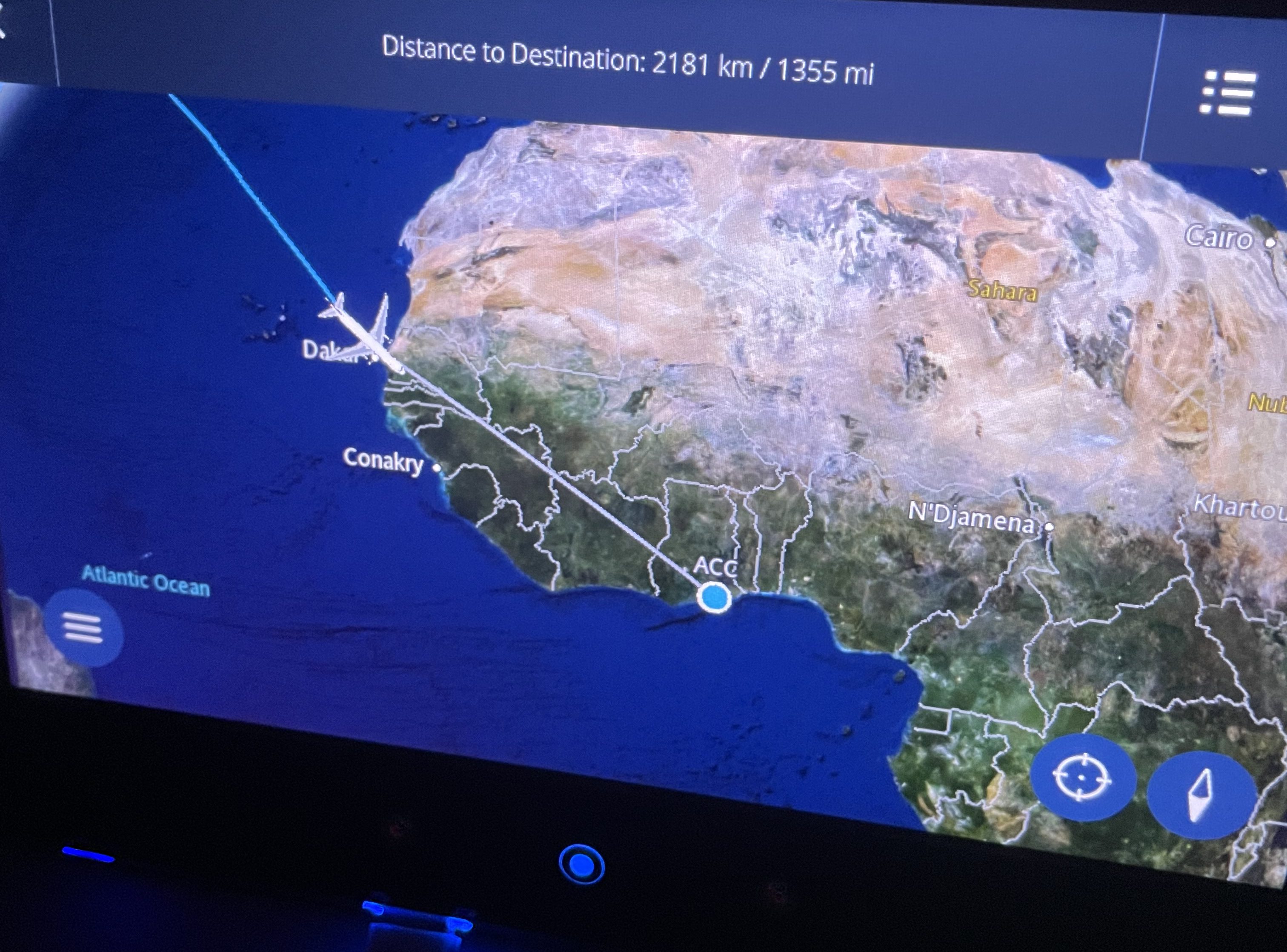
Upon arriving in Ghana, I was pleasantly surprised by the hospitality of the Ghanaian people — their kindness was a constant throughout our trip, even if they often expected some form of payment in return. However, I was taken aback by the lack of modern development in the capital city of Accra. For a city of its size, I expected to see tall buildings, an industrial district, and neighborhoods bustling with expats. While we did find these neighborhoods, they were composed of modestly sized buildings. The road infrastructure was notably poor, with many roads filled with craters and no apparent plans for repair. The sheer volume of street vendors also caught my attention. It was like a sea of walking convenience stores, selling everything from tissues to hair combs to the stopped traffic.
I met a street vendor on our first city tour who introduced himself as Kofi Alonso. He displayed his expert street vending skills by not letting go of our handshake as we conversed, making it almost impossible not to buy something. Safe to say, I bought two bracelets from Kofi for $4. Amazingly, less than a week later, we ran into him in a completely different part of town. There was a lot of excited shouting as we were all delighted to see him again, and I made a point of buying a hat from him.
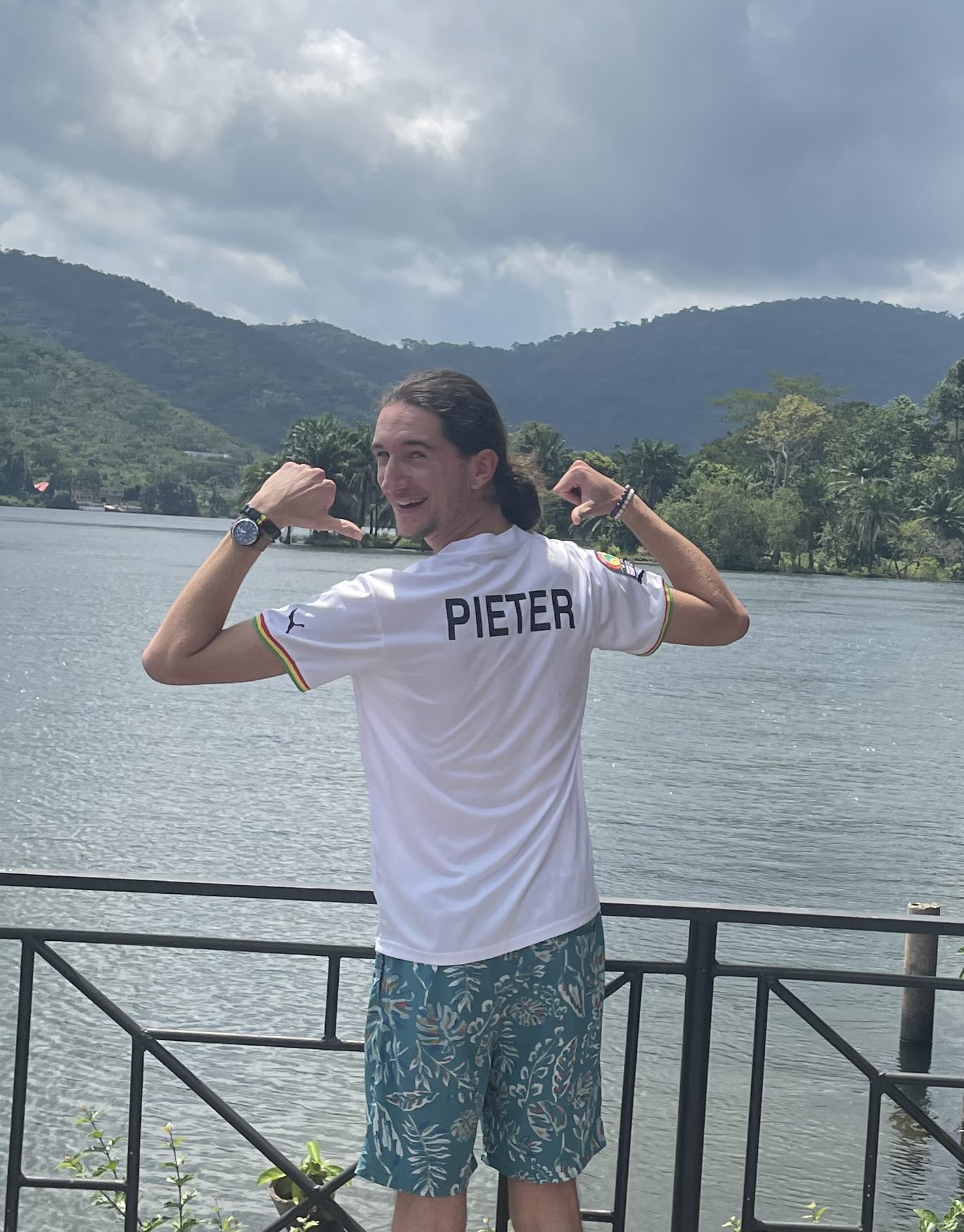
Later, I found myself in a dispute while haggling with another street vendor. I managed to get the vendor to follow me to Kofi’s booth, where Kofi helped me diffuse the situation. Moments like these were wildly exhilarating, if not stressful. As a result of the ordeal, I managed to get a $15 shirt with my name printed on the back.
Our guest house was half an hour from the city center and not within a walkable area, which was a real disappointment. During rush hour the commute could take more than an hour. On the bright side, Bolt — Ghana’s version of Lyft — was fairly cheap. In fact, almost everything was relatively inexpensive, with most goods costing about two-thirds of what they would in the States, which we all took full advantage of.
Traffic in Accra proved to be the biggest complaint anybody had about the trip, as we typically spent double the amount of time we spent anywhere on the bus. Early mornings on the bus, gazing at the endless arrangement of shacks built one upon the other, swallowing up beachfront property in Jamestown, became a daily ritual while we waited to pick up our professor.
Academic and Professional Development
Software Engineering (CEN3031) was a prerequisite for this program, but I had somehow signed up without fulfilling this requirement. This made me anxious about not being able to contribute as much as my teammates. However, I was eager to make up for this with a tenacity to learn that has characterized all my work in university. Due to my lack of experience with software development, I let my teammates take the lead and tried to provide support in other ways.
Fortunately, the project quickly pivoted away from pure software development towards UI design in the form of a WordPress website. This shift aligned perfectly with the HTML/CSS course I had taken prior to the program. Suddenly, I found myself in the role of design lead for the project, approving and consulting on most aspects of the website. The homepage, in particular, became my focus. Our clients provided us with reference websites that had engaging and animated panels, which they wanted to see in their own site. I made a point of adding scroll and hover animations to make the homepage breathe and react to user actions, elevating the website to a whole new level. My teammates also used the CSS code I wrote to improve their pages, ensuring a cohesive look throughout the site.
In terms of soft skills, I spent a lot of our team meetings managing expectations and reminding everyone of our progress, even if it didn’t feel like we were making significant strides each day. We caught some lucky breaks; developing the app for tutorials was more straightforward than anticipated, and once we became accustomed to building the website in WordPress, our workflow accelerated. At one point the team had split and was producing pages in two different website building interfaces — not compatible with each other, and a problem waiting to happen when we went to make tutorials. It was a tough call, but as a group we decided to move this to the backlog given more pressing matters at the time.
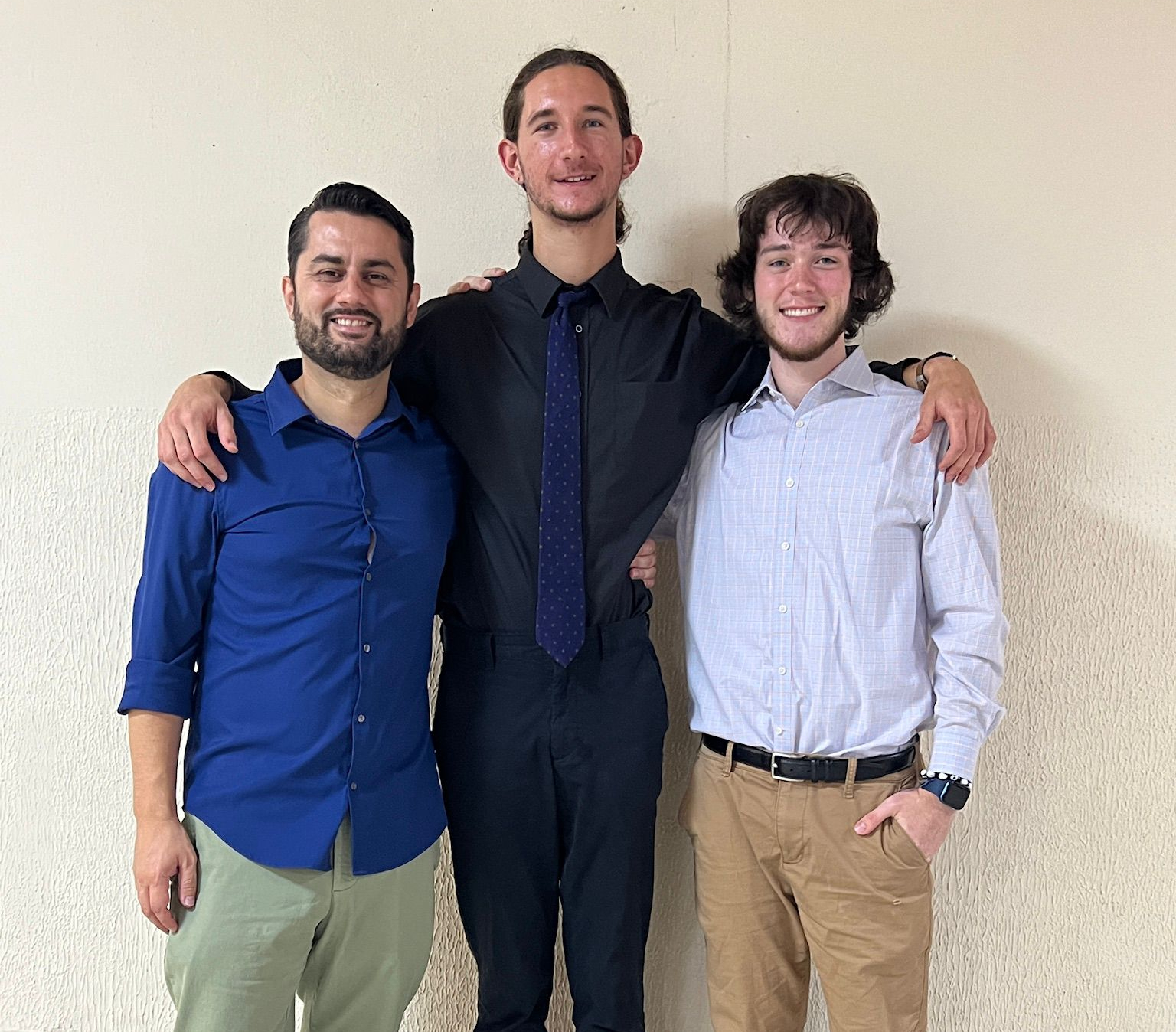
The infrastructure for app development in Ghana posed unique challenges. The electricity would occasionally go out, and finding reliable WiFi in cafés was rare. At our accommodations, we had to share a WiFi connection meant for three people among twenty of us. When all the teams were in the hotel, connecting to the internet was nearly impossible, which severely inhibited our development. We had to make the most of the WiFi whenever we could get it. We likely fell just short of our goals due to these connectivity issues, as web development would have been much more straightforward with consistent internet access.
Despite these challenges, I take pride in the work we completed, especially considering the constraints we faced. It was a valuable lesson in adapting to unforeseen circumstances and gave us a realistic perspective on developing software in different global contexts.
Coursework: Software Engineering & UX Design
The “coursework” of this study abroad program consisted of several lectures led by our Program Director, Dr. Sanethia Thomas. In addition to her lectures, we had assignments related to project workflow and discussions centered around the rapidly growing tech scene in Accra. In the first weeks of class, Dr. Thomas lectured on the AGILE method common in the industry and core concepts in human-centered computing, such as Norman doors and user testing. After the first weeks, every class session became a project presentation by all five groups, where each group walked through a project pitch, followed by a project update, and a final walkthrough.
We put the course content to good use — my project group and I held scrum meetings every morning and gained valuable insights from using the talk-aloud method with our clients. Dr. Thomas emphasized that we learn much more from conducting the process rather than studying it needlessly, so we spent most of our time working on our projects. Although I expected to gain more in terms of graphic design, I learned that UX design is more focused on user cues and accessibility.
The Ark Foundation
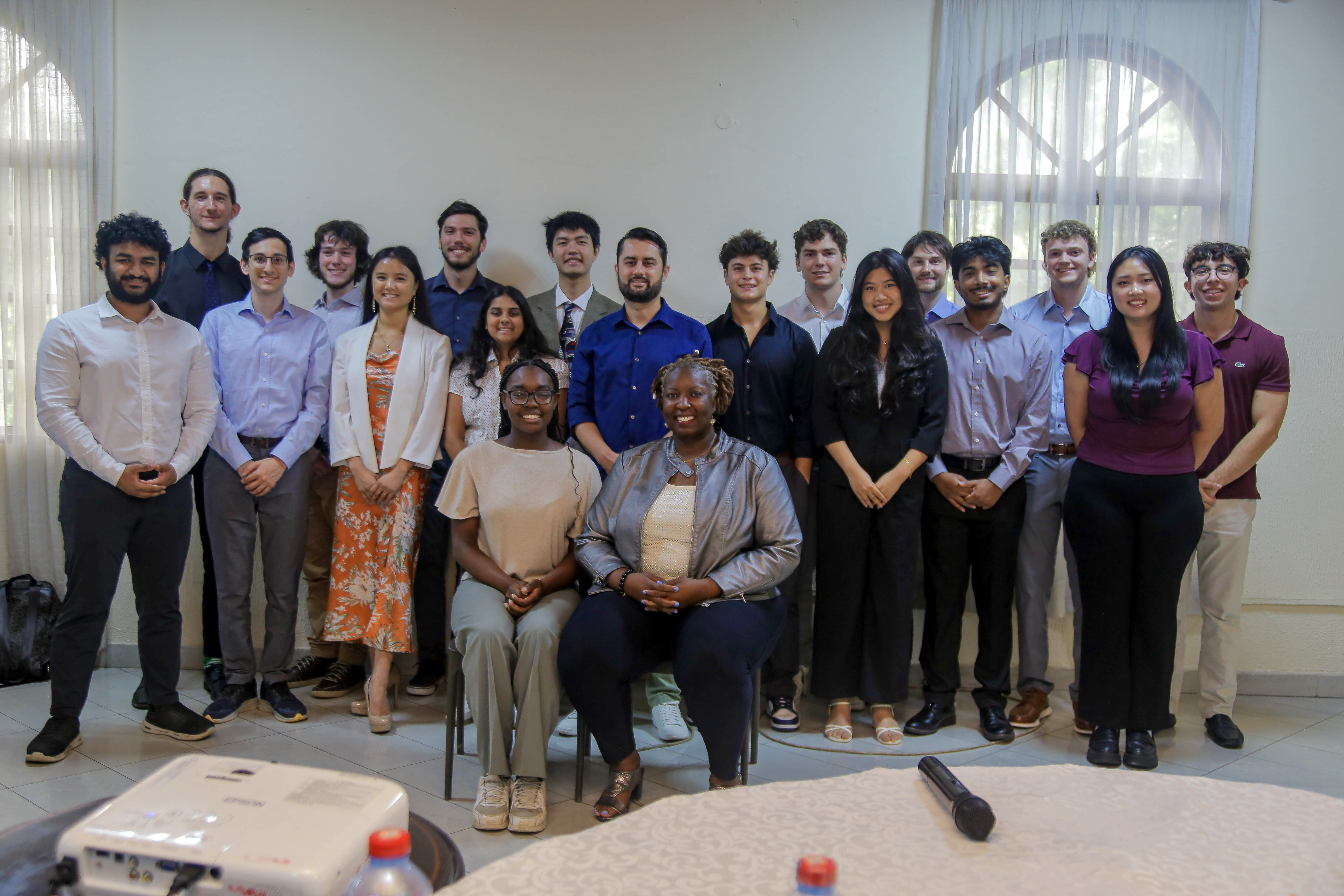
Within the first week of our internship, we were divided into five groups of three to four members, each matched with a local non-profit organization that had an urgent software request. My group was matched with the Ark Foundation, a Christian missionary organization that provides compassionate care and social services to survivors of sexual, domestic, and gender-based violence, particularly women and children. Their request was straightforward: they needed a modernized website to attract new donors with updated content, a functional newsletter system, and a clear donation pathway.
The primary challenge was balancing modernity with simplicity — the site needed to appeal to donors while staying easy for the organization to keep updating on their own. Initially we struggled with the realization that our task was to redesign an existing website rather than build new software from scratch, unlike most of the other groups. Once we embraced that, we got to work on the redesign in WordPress, since the organization already had a subscription and it made ongoing content management easier for them.
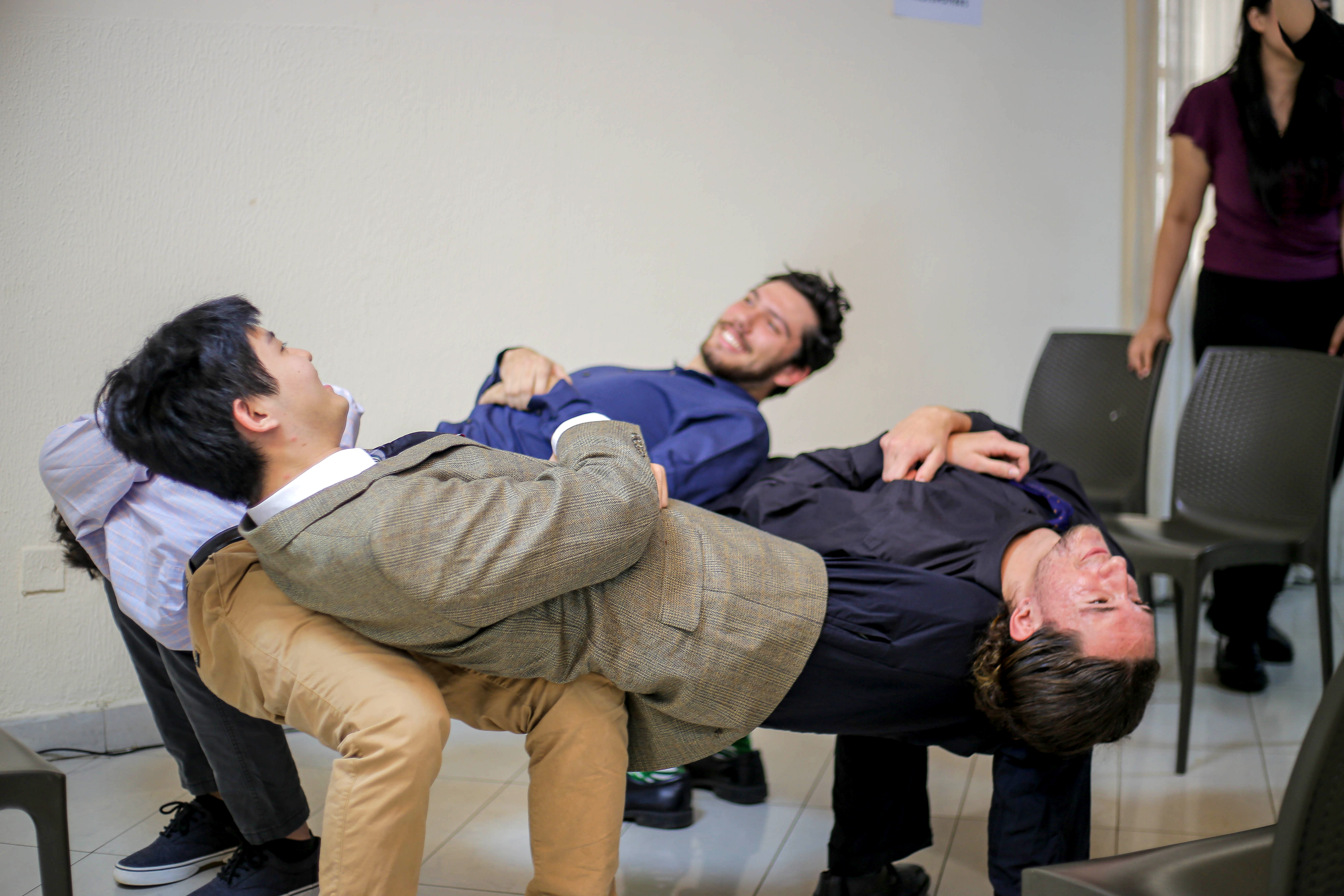
By the end of the six weeks, we had redesigned the website to cover most of their requests. A lack of follow-through on their end kept us from integrating native donation support, but we also built a small web app with tutorials to teach the staff how to update content across the site themselves. It was my first taste of working on a team for a real client in a foreign country, and it grounded a lot of the “software engineering in practice” lessons the rest of this reflection covers.
Personal Growth
While this experience wasn’t as transformative as I initially anticipated, it was undoubtedly enriching and enjoyable. I pushed the boundaries of my comfort zone, particularly in trying new foods, and discovered a level of self-discipline I hadn’t previously tapped into. My curiosity about Ghanaian culture led me to ask numerous questions, resulting in substantial learning about global politics and culture.
Observing Ghana’s current state in light of its colonial history naturally evoked a desire to support the nation. However, interactions with locals revealed a prevalent sentiment of self-responsibility for the country’s modern politics and continued development. This aligns with the first Ghanaian government’s ideal of African self-sufficiency and unity. Yet, our time in Ghana exposed how far the country has deviated from this vision, with many Ghanaians aspiring for opportunities abroad and a diaspora that has largely not returned to support their homeland.
The experience also highlighted the universal nature of political challenges. A protest against the sale of state-owned luxury hotels happened while we were in Accra, which resulted in the use of tear gas against demonstrators. Such events served as a stark reminder that issues of governance and transparency persist globally, regardless of geographical location.
Working with a non-profit organization proved immensely fulfilling. The tangible impact of our work on people in need provided a sense of satisfaction that surpassed my previous volunteering experiences in America. This has inspired me to engage in more fundraising efforts back home to support those in greater need internationally.
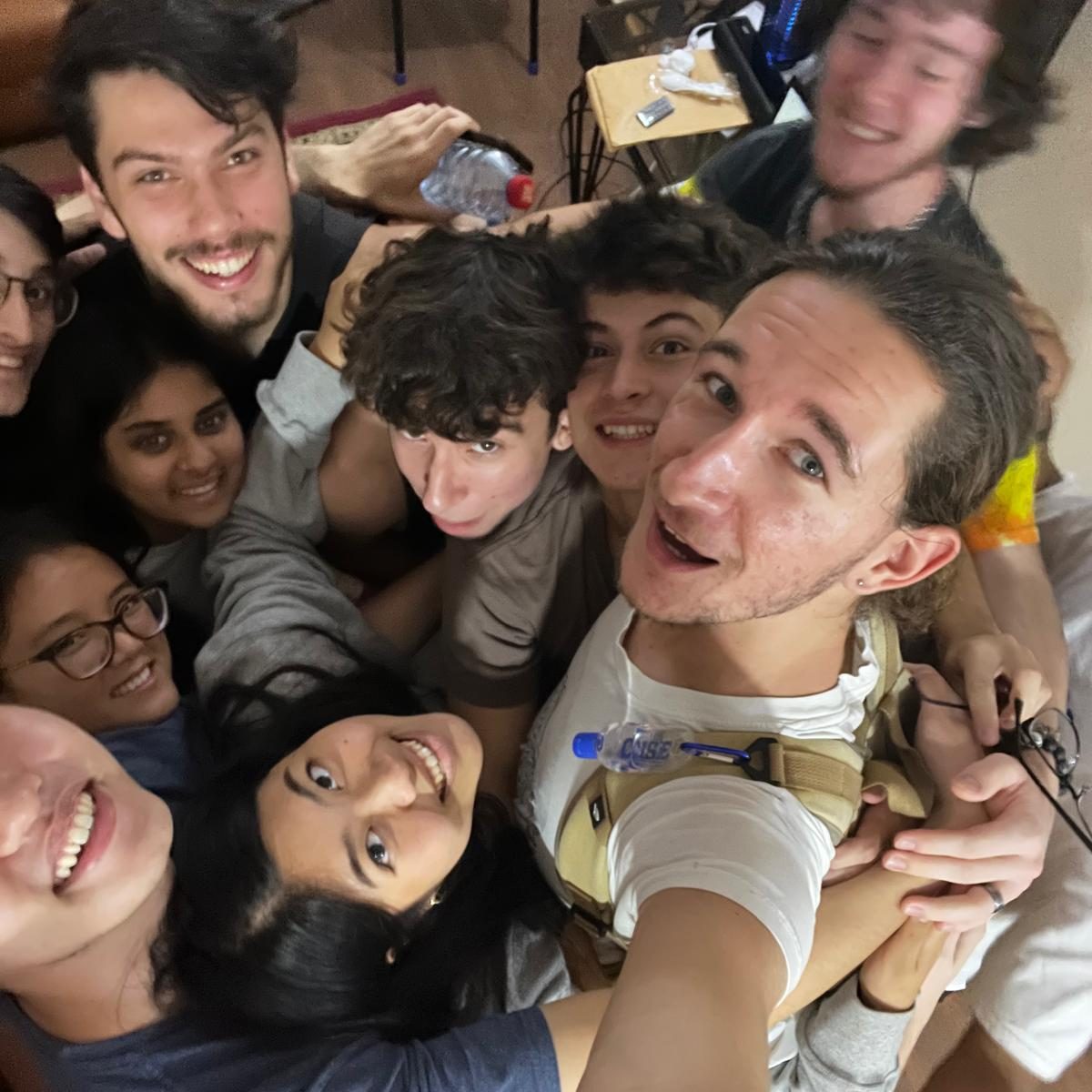
Throughout the trip, I took pride in acting as an informal guide for my cohort, sharing my knowledge of Ghanaian history and engaging in thought-provoking discussions that broadened our collective worldviews. This experience has reinforced my understanding of global citizenship and my role in an interconnected world — it emphasized the importance of cultural empathy, the value of direct engagement with diverse communities, and the potential for individuals to contribute meaningfully to global issues through local actions.
My self-identification as a global citizen allowed me to view Ghanaians not as foreign or different, but simply as fellow human beings. This mindset facilitated a respectful appreciation of their culture without judgment or prejudice. The close bonds formed during this experience are ones I hope will endure, even if I don’t plan to return to Ghana in the immediate future.
Memorable Moments
Some of our most memorable excursions centered around the natural beauty of Ghana. The days we spent in Mole National Park and at various monkey sanctuaries were incredible, allowing me to see up-close some animals I thought I would only ever see in pictures. The elephants we met in Mole were incredibly docile and majestic, as we watched them wash down and mud up in a waterhole. It’s truly something you can’t see anywhere else.
Visiting the former slave trading factories and castles along the former Gold Coast was particularly impactful. As a Dutch-American, I felt it was important to understand the Netherlands’ role in colonialism and how they facilitated the slave trade in Ghana. I learned that while they might not have been the most egregious empire to contact the Gold Coast, they still played a role in the subjugation of the region. While I know I don’t have to hold myself accountable for the crimes of these old empires, I better understand my responsibility to prevent oppression and guarantee justice and freedom for all, especially in a world where the systematic oppression of the victims of the slave trade and the global south is still ongoing.
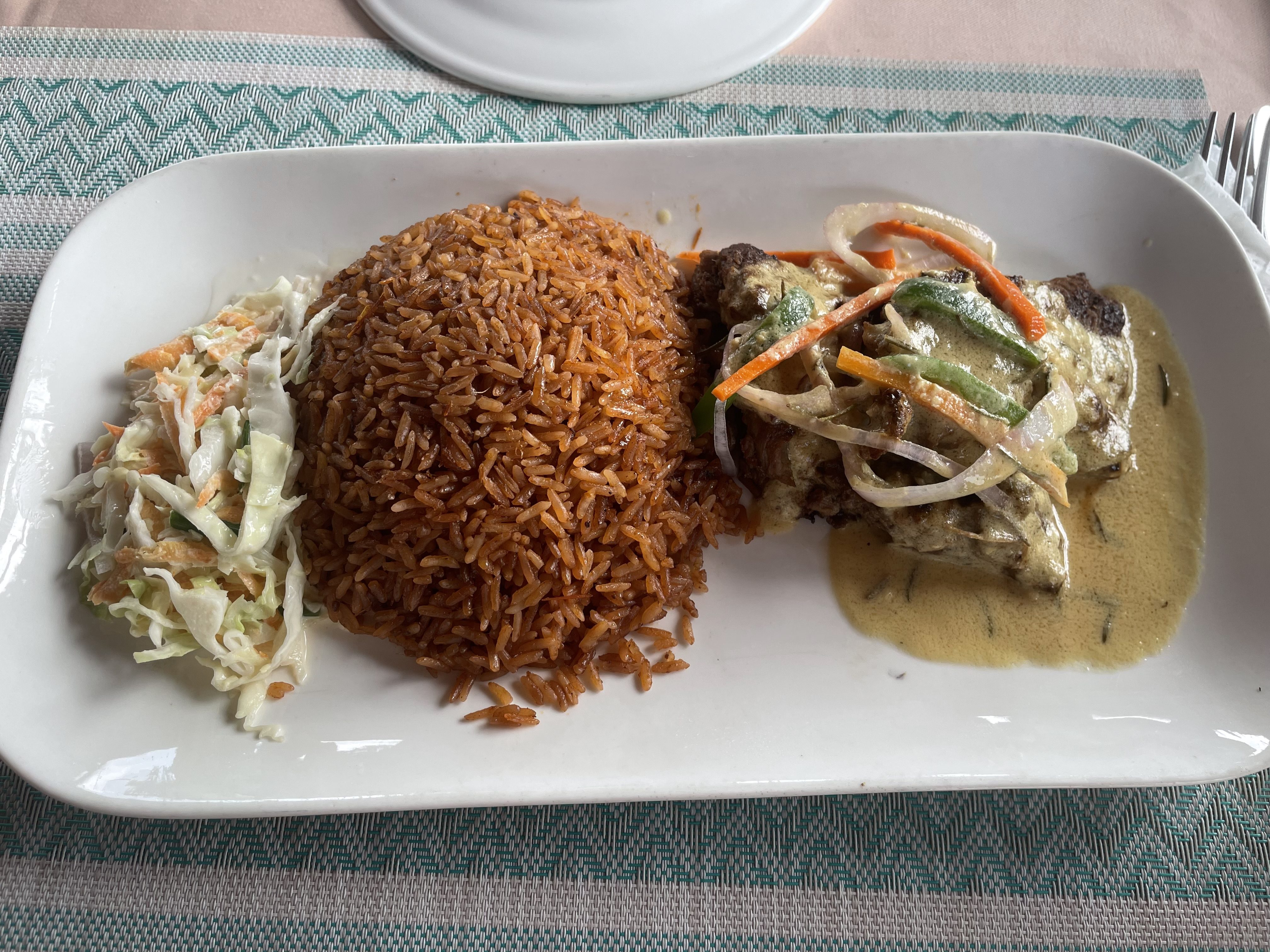
Trying the local cuisines was another highlight. I tried Jollof rice for the first time and can now say that Ghanaian Jollof Rice is indeed better than Nigerian Jollof Rice. Beyond Jollof, I tried various swallow foods including Fufu, Banku, Omo Tuo, Eba, and Akple — each with its own texture, flavor, and density. I also ate a lot of fried, stewed, salted, and smoked fish, which were never deboned and always delicious. An interesting aspect of Ghanaian food is that it contains little salt, relying instead on hot peppers for flavor. My favorite dish was Kelewele, spiced fried plantains that reminded me of Cuban Maduros back home.
We also participated in cultural exchanges with local schools, interacting with children of all ages — from elementary through college students our age. These interactions provided valuable insights into the average Ghanaian’s perspective and fostered connections that could lead to future collaborations.
Major Takeaways
Some important lessons I took home:
- There’s no such thing as too many questions; being curious isn’t something to be apologetic for.
- If we don’t learn our history, then we are doomed to repeat it.
- I made massive strides in developing my resilience, discipline, and adaptability.
- Despite lacking prior experience, I stepped up to lead UI design.
- I broadened my worldview and became an ambassador between the U.S. and not only Ghana but Africa at large.
- I had my first taste of working with a real client, delivering a project I can take pride in.
- I gained insights into the challenges facing developing nations, including issues of governance, infrastructure, and brain drain.
- I learned to pair technical skills with cultural and historical understanding to approach problems holistically.
- Africa doesn’t need saving — they’re fighting their own battles.
I intended for this experience to be a litmus test for whether a nomadic lifestyle would fit me, as it had seemed very appealing. I now know that, assuming the infrastructure continues to grow, someday the whole world could be a friendly place for remote workers. If I lived in Ghana for six months, I could’ve gotten the hang of doing work remotely pretty quickly — the only real barrier would be WiFi access. Most hotels had decent connectivity, and it wouldn’t be impossible to solve that independently at longer timescales.
In our role as representatives of America and the University of Florida, we often found ourselves envisioning a more developed Ghana. Many of our class discussions revolved around the potential benefits of AI and technology for Africa. While buzzwords and optimistic predictions flew around, I couldn’t help but wonder if these developments would truly benefit the average Ghanaian. More crucially, who would foot the bill? In a country where personal computers and Wi-Fi are already scarce, how would people even begin to tap into this technology’s potential? As engineers, we tend to see technology as inherently good, believing development always brings about exponential benefits. I shared this view until we visited a village in Domongo. There, we met villagers living in mud huts, keeping pet pigeons, and practicing subsistence farming. They seemed to have everything they needed right there. Who are we to claim their lifestyle is inferior and needs “fixing”? Wasn’t it European colonization that deemed their way of life inadequate, leading to subjugation and abuse in the name of “development”? This experience made me realize the importance of critically evaluating the value of my work, considering who actually benefits from it, and whether it addresses real needs. I don’t want to solve non-existent problems — as the saying goes, “if it ain’t broke, don’t fix it.”
AI is a very powerful tool, but that’s really all it is. The real challenge lies not in developing the technology itself, but in ensuring its equitable distribution and practical application. How can AI be adapted to solve local problems without disrupting valuable cultural practices? How do we ensure that the benefits don’t just accrue to the already privileged? It’s not about imposing our vision of development, but about empowering communities to leverage AI in ways that align with their own goals and values.
I wonder what sort of good this technology could do in the hands of the tribal chiefs of the modern Asante Kingdom — how might traditional leadership structures integrate and apply cutting-edge technology? Could AI be used to preserve and disseminate cultural knowledge, or to solve uniquely local challenges? This intersection of ancient wisdom and modern innovation could potentially yield fascinating and culturally appropriate applications. It’s a reminder that the future of technology in Africa isn’t just about what we can bring to the table, but also about how local leaders and communities might reshape these tools to fit their own visions and needs.
The most crucial advice I’d offer to students considering studying abroad in Africa: approach the experience with an open heart and an open mind. As a designer and programmer, this experience challenged me to think beyond the American lens, reminding me of the importance of considering diverse global audiences when creating products. Embrace the differences, ask questions, and immerse yourself fully in the experience — the rewards will far outweigh any initial discomfort or challenges you might face.
Conclusion
In the final week of our trip, when asked to rate the experience, I unhesitatingly gave it a 10/10. Ghana exceeded all my expectations: the locals were welcoming, the cuisine was delightful, the natural beauty was breathtaking, and our work was deeply fulfilling. While some might have been deterred by the lengthy bus rides, I saw these as opportunities to read, listen to music, and observe the daily lives unfolding in the towns we passed.
This experience wouldn’t have been possible without the dedication and support of numerous individuals. At the heart of it all was Dr. Sanethia Thomas, whose vision and initial investment were crucial in bringing this program to life. The efforts of Naomi Harrell and Neo Ping from UFIC ensured our visas were processed in time. The team at EDUAfrica — Robert, Esther, and Dax — masterfully coordinated our activities. Our daily adventures were made possible by Eric and Hayford, our steadfast drivers. In each city, knowledgeable tour guides opened our eyes to local history and culture; I’m particularly grateful to Nathan, Felix, Mr. Adams, Borlaplast, and Kwesi. A special mention goes to Mouray Hutchinson, who wore the dual hats of teaching assistant and friend with grace and enthusiasm. And of course, I’m deeply appreciative of my fellow participants — a group of adventurous souls who took a chance on this program and, in the process, forged friendships I’ll cherish for years to come.
This first professional experience abroad has been incredibly rewarding and unexpectedly enjoyable. Participating in this program may well be the highlight of my college experience. It has kickstarted my lifelong goal of working abroad and laid a solid foundation for a global career in computer science. The perspectives gained, skills developed, and connections made during this trip will undoubtedly shape my future personal and professional endeavors.